
Microsoft Dynamics 365 Supply Chain Management (D365 SCM) is a sophisticated platform designed to help businesses streamline and optimize their supply chain operations. In today’s fast-paced business environment, the ability to manage your supply chain efficiently is essential for achieving a competitive edge. With Dynamics 365 Supply Chain Management, organizations can gain insights into their operations, make data-driven decisions, and automate processes to improve efficiency and reduce costs.
This guide will explore various aspects of Dynamics 365 Supply Chain Management, including its features, benefits, implementation process, and how it compares to other supply chain solutions. We will also provide answers to frequently asked questions about this platform to give you a clearer understanding of its value proposition.
What Is Dynamics 365 Supply Chain Management?
Dynamics 365 Supply Chain Management is a cloud-based solution that integrates various aspects of your supply chain, from procurement to production and logistics. It offers a comprehensive suite of tools that can help businesses track inventory, manage supplier relationships, monitor product life cycles, and optimize production schedules.
Core Features of Dynamics 365 Supply Chain Management
The core features of Dynamics 365 Supply Chain Management revolve around three main pillars: optimization, automation, and insights. Here are some of the key features that make D365 SCM stand out:
- Inventory Management: Track and manage your inventory in real-time across multiple locations, allowing you to optimize stock levels and reduce excess inventory costs.
- Production Planning: Plan and optimize production schedules with the help of advanced forecasting algorithms that take into account factors such as demand, supply, and lead times.
- Supplier Management: Build stronger relationships with suppliers by managing contracts, tracking performance, and ensuring timely deliveries.
- Transportation and Logistics: Use built-in tools to manage logistics and track shipments, ensuring that products reach their destination on time.
- Demand Forecasting: Leverage predictive analytics to anticipate demand fluctuations, enabling you to plan production and procurement more effectively.
The Role of AI and Machine Learning
Artificial Intelligence (AI) and machine learning are integral components of Dynamics 365 Supply Chain Management. These technologies enable the platform to predict future trends, automate repetitive tasks, and make real-time adjustments to supply chain processes. For instance, AI can help you predict inventory shortages or demand spikes, allowing you to proactively manage these challenges.
Key Benefits of Using Dynamics 365 Supply Chain Management
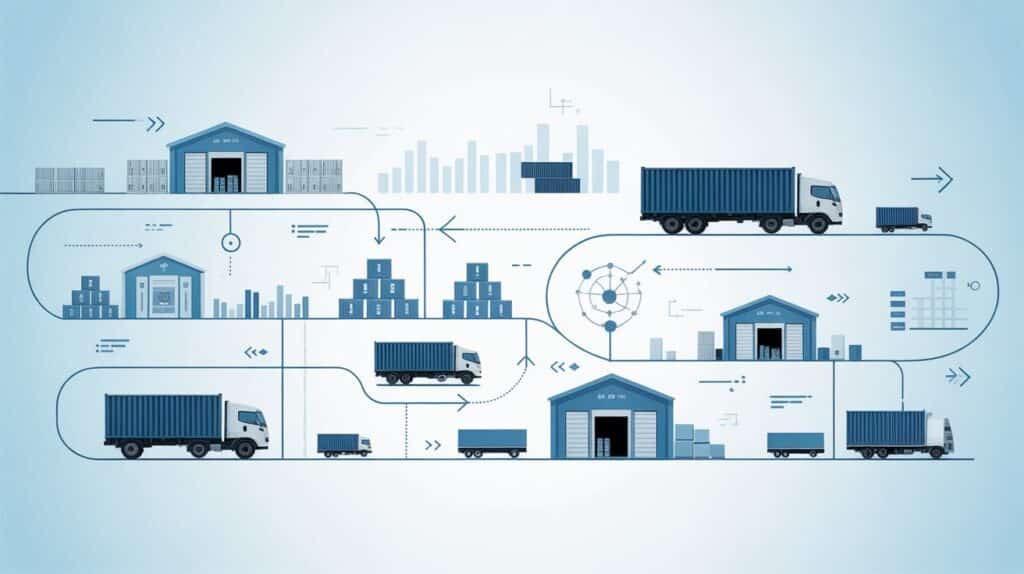
There are several benefits to implementing Dynamics 365 Supply Chain Management for your business. These include:
- Improved Visibility: D365 SCM provides real-time data that enhances visibility into your supply chain processes. This enables better decision-making and quicker responses to disruptions.
- Cost Reduction: By optimizing inventory, improving supplier management, and reducing waste, organizations can lower operational costs.
- Enhanced Collaboration: The platform enables better communication and collaboration across departments and with external partners, such as suppliers and logistics providers.
- Scalability: Being cloud-based, D365 SCM can scale to meet the needs of businesses of all sizes, from small enterprises to large corporations.
- Compliance and Risk Management: The system helps businesses stay compliant with industry standards and regulations while mitigating risks associated with supply chain disruptions.
Implementation of Dynamics 365 Supply Chain Management
Implementing Dynamics 365 Supply Chain Management involves several key steps, from planning and configuration to data migration and user training. It’s essential to have a structured approach to ensure a smooth deployment and maximize the benefits of the platform.
Key Steps in Implementing D365 SCM
- Requirements Analysis: The first step is to assess your current supply chain processes and identify areas that need improvement. This will help determine the specific features and modules you need in the system.
- Customization and Configuration: After analyzing your needs, you’ll need to configure the platform according to your business processes. This may involve setting up workflows, creating reports, and integrating third-party systems.
- Data Migration: Migrating your existing supply chain data to Dynamics 365 SCM is crucial. You’ll need to ensure that your data is accurate and compatible with the new system.
- Training and Support: Proper training for your staff is essential to ensure they can fully leverage the capabilities of Dynamics 365 SCM. Ongoing support is also vital for resolving issues and optimizing system usage.
- Go-Live and Post-Implementation Review: Once the system is live, a post-implementation review should be conducted to evaluate its effectiveness and identify any areas for improvement.
Integration with Other Microsoft Dynamics 365 Modules
One of the significant advantages of Dynamics 365 Supply Chain Management is its seamless integration with other Microsoft Dynamics 365 modules, such as Finance, Sales, and Customer Service. This integrated ecosystem ensures that all departments within an organization can work with the same data, enabling better collaboration and decision-making.
Benefits of Integration
- Unified Data: All departments have access to the same data, ensuring that there is no duplication or inconsistency in information.
- Streamlined Processes: Automating tasks such as order processing, invoicing, and procurement reduces manual intervention and speeds up operations.
- Enhanced Analytics: Integration with other modules allows for more comprehensive reporting and analytics, providing deeper insights into business performance.
Dynamics 365 Supply Chain Management vs. Other Supply Chain Solutions
While there are several supply chain management solutions on the market, Dynamics 365 SCM offers unique features that set it apart from competitors.
- Cloud-Based: Unlike many traditional on-premises solutions, Dynamics 365 SCM is cloud-based, offering greater flexibility, scalability, and lower infrastructure costs.
- AI-Powered Insights: The inclusion of AI and machine learning allows D365 SCM to provide predictive analytics, making it easier for businesses to anticipate issues before they arise.
- End-to-End Functionality: The platform covers every aspect of the supply chain, from procurement and production to logistics and inventory management.
- Microsoft Ecosystem: The seamless integration with other Microsoft tools such as Azure, Power BI, and Office 365 makes Dynamics 365 SCM a natural choice for organizations already using Microsoft products.
Dynamics 365 SCM for Specific Industries
Dynamics 365 Supply Chain Management is highly versatile and can be tailored to meet the unique needs of various industries. Whether you are in manufacturing, retail, or logistics, D365 SCM provides industry-specific functionality that can help optimize operations.
- Manufacturing: D365 SCM allows manufacturers to optimize production schedules, manage inventory, and improve supplier relationships, leading to reduced downtime and increased efficiency.
- Retail: Retailers can streamline inventory management and improve demand forecasting to ensure that they have the right products in stock at the right time.
- Logistics and Distribution: Logistics companies can optimize their transportation routes and track shipments in real time, reducing delivery times and improving customer satisfaction.
Mohi Solutions specializes in providing expert implementation and support for Dynamics 365 Supply Chain Management. With years of experience, Mohi Solutions helps businesses streamline their supply chain operations, optimize inventory, and improve logistics using the power of D365 SCM. Their team offers end-to-end services, from initial consultation and customization to ongoing training and support. By partnering with Mohi Solutions, businesses can unlock the full potential of Dynamics 365, ensuring greater operational efficiency and cost savings
Conclusion
Dynamics 365 Supply Chain Management is a powerful tool that can help businesses optimize their supply chain operations, reduce costs, and improve decision-making. By leveraging advanced features like AI, machine learning, and real-time data analytics, organizations can stay ahead of the competition and drive growth. Whether you are in manufacturing, retail, or logistics, D365 SCM offers industry-specific solutions that can help streamline processes and improve efficiency.
For organizations considering the implementation of Microsoft Dynamics 365 Supply Chain Management, partnering with experts like Mohi Solutions can help ensure a successful deployment. With the right implementation strategy and ongoing support, your business can harness the full potential of D365 SCM and drive supply chain excellence.
FAQs
1. What are the benefits of using Dynamics 365 Supply Chain Management?
Dynamics 365 Supply Chain Management offers several benefits, including real-time visibility into your supply chain, reduced operational costs, improved collaboration, and enhanced decision-making through AI-powered insights. It helps businesses streamline their processes, improve supplier relationships, and manage inventory more efficiently.
2. How does Dynamics 365 SCM handle demand forecasting?
D365 SCM uses machine learning algorithms to analyze historical data and predict future demand trends. By using these insights, businesses can make data-driven decisions regarding production schedules, inventory levels, and procurement strategies. This leads to better planning and reduced risk of stockouts or overstocking.
3. How does Dynamics 365 Supply Chain Management integrate with other Microsoft products?
Dynamics 365 SCM integrates seamlessly with other Microsoft Dynamics 365 modules, such as Finance, Sales, and Customer Service, as well as with other Microsoft tools like Azure and Power BI. This integration ensures a unified experience across departments and provides comprehensive insights into business performance.
4. Can Dynamics 365 SCM be customized to suit my business needs?
Yes, Dynamics 365 SCM is highly customizable. You can configure the system to align with your business processes, set up workflows, and integrate third-party applications. This flexibility ensures that the platform can be tailored to meet the unique needs of your organization.
5. What is the role of Mohi Solutions in Dynamics 365 SCM implementation?
Mohi Solutions is a well-known provider of Dynamics 365 implementation and consulting services. They help businesses deploy and configure Dynamics 365 Supply Chain Management to suit their specific requirements. With years of experience in the industry, Mohi Solutions offers expert guidance, training, and support to ensure a smooth implementation process and help businesses unlock the full potential of the platform.