
In an era where agility, data-driven decisions, and operational efficiency define success, businesses can no longer rely on disconnected systems or fragmented processes. Implementing Dynamics 365 is more than deploying software—it is a strategic leap that transforms core operations into an integrated, intelligent ecosystem. By connecting finance, sales, customer service, and supply chain under one platform, organizations gain real-time visibility, actionable insights, and the flexibility to respond to market changes with confidence. This approach doesn’t just optimize day-to-day tasks—it empowers businesses to innovate, scale, and compete at a higher level.
This approach positions Dynamics 365 as a central nervous system for the business, connecting finance, operations, sales, customer service, and supply chain into a unified platform that powers intelligent decision-making.
The Strategic Importance of Implementing Dynamics 365
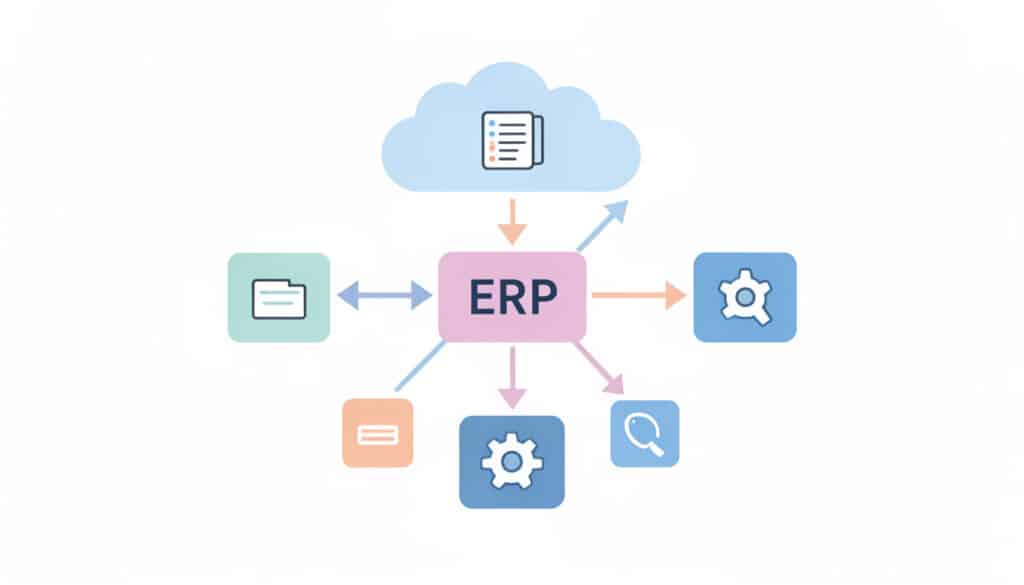
Organizations face challenges like siloed information, inefficient workflows, and slow decision-making. By implementing Dynamics 365, companies can unify critical operations under a single platform, enabling seamless communication and real-time visibility.
Centralized data allows leadership teams to monitor KPIs, forecast trends, and make proactive decisions that impact revenue, efficiency, and customer satisfaction. The system also provides a foundation for future growth, ensuring technology supports strategy rather than limiting it.
Driving Operational Excellence
Operational excellence requires alignment across departments, processes, and data. Implementing Dynamics 365 enables businesses to standardize workflows while retaining the flexibility to adapt to evolving business needs.
Automation of repetitive tasks, integrated reporting, and cross-functional visibility reduce operational friction and accelerate execution. Teams can focus on strategic initiatives instead of administrative work, increasing overall productivity and reducing operational costs.
Intelligent Insights and Predictive Analytics
A key advantage of implementing Dynamics 365 is the ability to leverage AI-driven insights. Predictive analytics help organizations identify trends, optimize inventory, and forecast demand accurately.
- Sales teams can anticipate customer needs and personalize engagement.
- Finance teams can predict cash flow challenges and optimize budgets.
- Operations teams can proactively address supply chain disruptions.
This intelligence transforms data from static information into a strategic asset that drives growth and resilience.
Enhancing Customer Engagement
Customer expectations are higher than ever, and businesses must deliver personalized, timely experiences. By implementing Dynamics 365, organizations gain a 360-degree view of customer interactions across all touchpoints.
CRM capabilities integrated with operations enable seamless customer journeys, from initial inquiry to post-sale support. Businesses can respond faster, tailor offerings, and build loyalty through consistent and informed engagement.
Industry-Specific Customization
Every industry has unique requirements, and implementing Dynamics 365 allows organizations to customize processes and workflows to match their specific business model.
- Manufacturing: Real-time production tracking and predictive maintenance.
- Retail: Automated inventory management and personalized promotions.
- Professional Services: Project and resource optimization with accurate billing.
Customization ensures the ERP system is not just a tool, but a strategic enabler of competitive advantage.
Change Management and Adoption
Technology adoption alone does not guarantee success. A critical part of implementing Dynamics 365 is change management, ensuring employees are ready, trained, and motivated to use the system effectively.
Role-based training, hands-on exercises, and continuous support help staff transition smoothly. Organizations that invest in adoption strategies see higher utilization rates and faster ROI.
Scalability for Future Growth
A scalable platform is essential for long-term success. Implementing Dynamics 365 provides modular solutions and cloud-based infrastructure that grow with the business.
- Add new modules as operations expand.
- Integrate with emerging technologies like AI, IoT, and machine learning.
- Expand to new locations without system disruption.
This scalability ensures that the organization is future-ready, maintaining operational agility as markets and business priorities evolve.
Enhanced Financial Management
Finance is the lifeblood of any organization, and implementing Dynamics 365 provides unparalleled visibility into financial operations. Real-time dashboards allow executives to monitor cash flow, expenses, and revenue streams with precision. Predictive analytics forecast trends, enabling proactive financial planning.
Automated workflows reduce manual processes such as invoicing, approvals, and reconciliations, freeing finance teams to focus on strategic initiatives. By improving accuracy, transparency, and speed, Dynamics 365 turns financial management from a routine task into a strategic advantage.
Optimizing Supply Chain and Operations
Operational efficiency is critical for reducing costs and enhancing customer satisfaction. Implementing Dynamics 365 enables businesses to optimize supply chain processes through real-time tracking, predictive demand forecasting, and automated workflows.
Manufacturers can anticipate production bottlenecks, logistics teams can adjust deliveries based on real-time inventory, and service teams can respond faster to customer needs. The end-to-end visibility across operations ensures that resources are used efficiently, reducing waste and improving profitability.
Boosting Sales Performance
Sales teams benefit significantly from implementing Dynamics 365. The platform provides a unified view of customer interactions, purchase history, and preferences, allowing sales representatives to personalize engagements and close deals more effectively.
Integrated analytics identify the most promising leads and forecast potential revenue, ensuring that sales efforts are focused on high-value opportunities. Automation of follow-ups, reminders, and reporting reduces administrative workload, freeing sales teams to engage more meaningfully with customers.
Elevating Customer Service and Satisfaction
Customer satisfaction is a major driver of business growth, and implementing Dynamics 365 enables organizations to deliver superior service. Customer service teams gain access to a complete 360-degree view of each client, allowing them to resolve issues quickly and proactively.
Automated case routing, knowledge bases, and AI-driven recommendations improve response times and accuracy. By delivering consistent, personalized experiences, businesses strengthen customer loyalty, enhance retention, and drive repeat revenue.
Real-Time Analytics and Business Intelligence
One of the standout benefits of implementing Dynamics 365 is its advanced analytics and business intelligence capabilities. Organizations can transform raw data into actionable insights, helping executives make data-driven decisions.
Custom dashboards monitor KPIs, track operational performance, and highlight emerging trends. Predictive analytics anticipate market shifts, customer behavior, and operational bottlenecks. With real-time intelligence at their fingertips, leaders can make proactive choices that drive growth and reduce risk.
Supporting Innovation and Digital Transformation
Innovation is the key to long-term competitiveness, and implementing Dynamics 365 provides a foundation for continuous improvement and digital transformation. Cloud-based deployment allows businesses to adopt new technologies like AI, IoT, and machine learning with minimal disruption.
Organizations can test new strategies, automate processes, and experiment with innovative business models while leveraging reliable data. Dynamics 365 ensures that technology is an enabler of growth rather than a limiting factor.
Improving Collaboration and Employee Productivity
Collaboration across teams is essential for achieving organizational goals. Implementing Dynamics 365 creates a shared platform where employees can access the same information, communicate efficiently, and work toward common objectives.
Integrated communication tools, shared dashboards, and role-based access ensure that every team member has the right information at the right time. Collaboration leads to faster project completion, better problem-solving, and a more aligned workforce.
Strengthening Compliance and Risk Management
Regulatory compliance is a growing challenge for modern businesses. Implementing Dynamics 365 incorporates robust security protocols, audit trails, and workflow controls that help organizations maintain compliance while reducing operational risk.
Automated reporting ensures accurate documentation, and role-based permissions prevent unauthorized access to sensitive data. By embedding governance into daily processes, businesses can operate securely, efficiently, and with confidence.
Scalability and Flexibility for Future Growth
Businesses must be prepared for growth and change. Implementing Dynamics 365 offers modular solutions and cloud-based infrastructure, allowing organizations to scale operations without major system overhauls.
New modules can be added as business needs evolve, and cloud deployment ensures accessibility, flexibility, and cost-effective expansion. Scalability enables organizations to respond to market shifts, pursue new opportunities, and maintain operational efficiency as they grow.
Measuring ROI and Strategic Impact
The ultimate advantage of implementing Dynamics 365 is measurable business value. Organizations can track KPIs across operations, finance, sales, and service to quantify efficiency gains, cost savings, and revenue growth.
Regular system assessments and optimization initiatives help organizations fine-tune processes, improve adoption, and maximize return on investment. By linking technology adoption directly to business outcomes, Dynamics 365 becomes a strategic driver rather than just a software solution.
Creating a Future-Ready Organization
Businesses that embrace implementing Dynamics 365 position themselves for long-term success. Centralized operations, real-time analytics, and automation create a resilient organization capable of adapting to change.
Leaders gain actionable insights, employees become more productive, and customers experience consistent, personalized engagement. Together, these factors transform ordinary operations into a competitive advantage, enabling sustainable growth and innovation.
Governance, Security, and Compliance
Strong governance frameworks are critical when implementing Dynamics 365. Role-based access, audit trails, and automated compliance checks ensure operational integrity and protect sensitive business data.
Leaders can monitor adoption, enforce policies, and maintain alignment between technology and business objectives. Security and governance become enablers of trust and efficiency, rather than obstacles to adoption.
Measuring Impact and Business Value
To maximize ROI, organizations should measure the impact of implementing Dynamics 365 across operational and strategic metrics. Key indicators include:
- Reduced cycle times and operational costs
- Increased revenue through optimized sales and service
- Enhanced customer satisfaction and retention
- Improved decision-making speed and accuracy
Ongoing monitoring ensures that the platform continues to deliver value and supports continuous business improvement.
Mohi Solutions helps businesses unlock their full potential by implementing Dynamics 365 with precision and expertise. Their team offers end-to-end services, from planning and customization to seamless integration with existing systems, ensuring the platform aligns perfectly with business needs. By leveraging Dynamics 365, Mohi Solutions enables organizations to streamline operations, automate workflows, and gain real-time insights for smarter decision-making. With their guidance, businesses can enhance productivity, improve customer engagement, and drive sustainable growth, turning technology adoption into a strategic advantage.
Conclusion: Turning Operations into a Strategic Advantage
Implementing Dynamics 365 is more than adopting software—it is transforming the organization into an intelligent, agile, and data-driven enterprise. By connecting operations, centralizing data, and leveraging predictive insights, businesses gain the clarity and control necessary to outperform competitors.
With a strategic approach to implementation, adoption, and continuous improvement, Dynamics 365 becomes a core enabler of business growth, innovation, and long-term success.